
Black History Lives in the Nervous System: Why I Chose Brainspotting
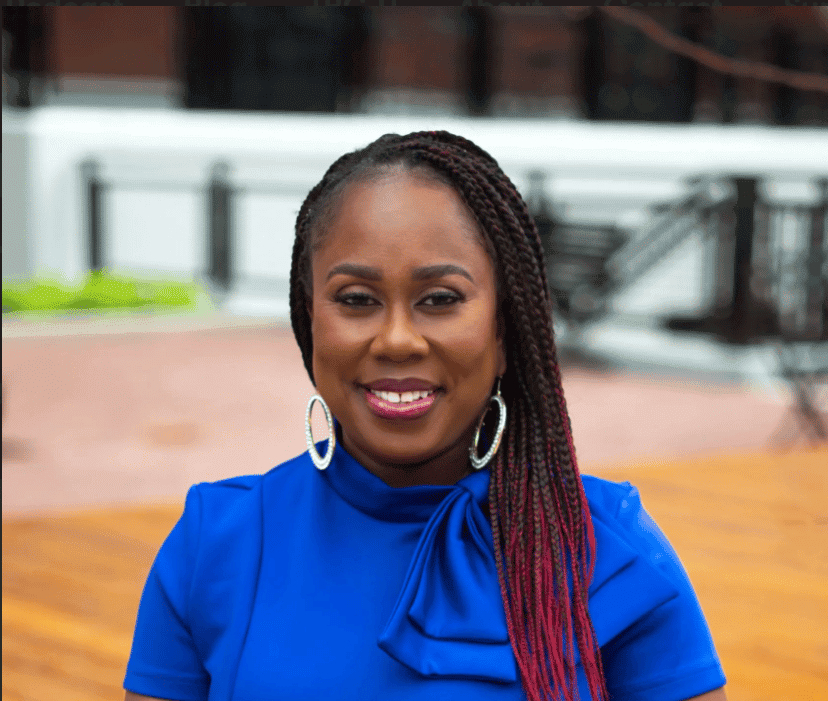
Black History Month invites reflection on strength, resilience, and survival. As a Black woman and a Therapist, I hold those truths deeply. I also know both personally and clinically that survival is only part of the story. Black history doesn't just live in books or classrooms It lives in the nervous system. I see this every day in my work. I also recognize it in myself.

Many of us were taught, directly or indirectly, to stay composed, push through discomfort, and keep going no matter what. These patterns didn't come from nowhere, they were learned in response to real and ongoing stress. From a clinical perspective, these are adaptive trauma responses. From a lived-experience perspective, they are familiar ways of moving through the world.
What often gets missed is that even when life becomes safer, the body doesn't always get the message. Clients often come into therapy saying things like: "I know I'm safe, but my body doesn't feel that way.""I can explain my trauma, but I still feel stuck."I'm tired all the time and don't know why." Clinically, this tells me the nervous system is still operating in survival mode.
Why I Was Drawn to Brainspotting
As a therapist, I wanted a trauma approach that didn't require my clients, especially Black clients to perform their pain or repeatedly relive it in order to heal. I also wanted something that honored the body, not just the story. Brainspotting does exactly that.Brainspotting is a brain-and body-based trauma therapy that works by accessing where experiences are stored beneath conscious awareness. Instead of asking clients to retell painful events, it allows healing to unfold through focused awareness, attunement, and nervous system regulation.
Clinically, Brainspotting helps: reduce physiological stress responses, process trauma without overwhelming the client, improve emotional regulation and clarity, and create a sense of internal safety. Personally, what resonated with me most is that Brainspotting does not rush the process or demand explanations. It trusts the body's wisdom. For many Black clients, this feels like a relief.
A Decolonized Approach to Healing
In many ways, Brainspotting aligns with a decolonized approach to mental health care. It does not center pathology or force linear narratives. It recognizes that healing does not always come through words, and that the body holds knowledge long before the mind makes sense of it. So many Black clients have learned to survive by staying strong even when exhausted, minimizing emotional expression to stay safe, and carrying stress silently while continuing to function.Brainspotting creates space to soften without falling apart. To release without losing control. To heal without having to explain or justify pain.
Honoring Healing, Not Just Survival
Black healing is not about giving up strength. It's about no longer needing to live in a constant state of alertness. Healing can look like feeling safe enough to exhale, letting the body rest without guilt, experiencing emotional release without overwhelm, and reconnecting with joy, intuition, and ease.
This Black History Month, I invite you to honor a fuller narrative, one that includes rest, repair, and restoration.Your body has carried you through generations of survival. It deserves gentleness, care, and healing.
With care,
Crystal Kelly, MS, LMHC
Owner, Uniquely You Counseling & Wellness Center, LLC


